
Expert Diagnosis and Advanced Treatment Options for Arthritis, Autoimmune, and Rheumatic Conditions
Dr. Ajit Nalawade – Best Rheumatologist in Pune
Looking for the Best Rheumatologist in Pune? Dr. Ajit Nalawade is a highly experienced Arthritis Specialist in Pune, dedicated to diagnosing and treating complex Rheumatic Diseases with advanced care and personalized treatment plans.
With years of expertise, Dr. Nalawade provides comprehensive Rheumatic Disease Treatment in Pune, including management of:
Rheumatoid Arthritis
Osteoarthritis
Gout
Lupus (SLE)
Ankylosing Spondylitis
Vasculitis & other autoimmune disorders
Dr. Ajit Nalawade focuses on early diagnosis and advanced therapies to help patients regain mobility, reduce joint pain, and improve overall quality of life.
Whether you are suffering from Arthritis Pain, Autoimmune Conditions, or Chronic Joint Disorders, you can trust Dr. Nalawade for compassionate and effective care.
Our Diagnostic Services


Centre of Excellence for Rheumatology & Immunology
Our center is a dedicated facility that focuses on the diagnosis, treatment and long-term care of patients with Joint, Autoimmune and Immunological Disorders. We bring together expert Rheumatologists, Immunologists, Physiotherapists and support staff under one roof, ensuring Comprehensive Care for every patient.
We specialize in managing:
-
Rheumatoid Arthritis
-
Osteoarthritis
-
Ankylosing Spondylitis
-
Systemic Lupus Erythematosus (SLE / Lupus)
-
Psoriatic Arthritis
Vasculitis
Scleroderma
Gout
Juvenile Arthritis (children)
Other rare Autoimmune & Immunology Disorders
 Expert Doctors – Highly trained specialists in rheumatology & immunology Advanced Diagnostics – State-of-the-art lab & imaging facilities Personalized Treatment Plans – Medicines, lifestyle guidance, physiotherapy, and surgery if needed Multidisciplinary Care – Collaboration with orthopedics, dermatology, nephrology, and cardiology for complex cases Patient Education & Support – Counseling, diet advice, and support groups to help patients live better
Systemic Autoimmune and Auto Inflammatory Disorders
What Do These Terms Mean?
-
Autoimmune disorders happen when the body’s defense system (immune system) mistakenly attacks its own healthy cells and organs instead of fighting germs.
-
Autoinflammatory disorders are conditions where the immune system becomes overactive without any trigger, causing repeated fever, rashes, or inflammation in different body parts.
Both can affect the whole body (systemic), not just one joint or organ.
Examples
Autoimmune Disorders:
-
Rheumatoid Arthritis (RA)
-
Systemic Lupus Erythematosus (SLE)
-
Sjögren’s Syndrome
-
Scleroderma
-
Vasculitis (inflammation of blood vessels)
Autoinflammatory Disorders:
-
Familial Mediterranean Fever (FMF)
-
Still’s Disease
-
Periodic Fever Syndromes
Common Symptoms
Symptoms vary depending on the condition, but may include:
-
Joint pain, swelling, or stiffness
-
Unexplained fevers
-
Skin rashes or sensitivity to sunlight
-
Mouth or eye dryness
-
Fatigue (tiredness, low energy)
-
Recurrent abdominal pain or chest pain
-
Swelling in organs (kidneys, lungs, heart, blood vessels)
Why Do They Happen?
-
Genetics – runs in families sometimes
-
Immune imbalance – body loses control over when to switch off inflammation
-
Environmental triggers – infections, stress, or lifestyle factors may trigger flare-ups
How Are They Diagnosed?
-
Medical history & physical examination
-
Blood tests (checking antibodies, inflammation markers)
-
Imaging (X-ray, ultrasound, CT/MRI) to look for organ or joint damage
Treatment Options
There is no permanent cure, but treatments help control symptoms and prevent long-term damage.
-
Medicines
-
Pain relievers & anti-inflammatory drugs
-
Corticosteroids (short-term control)
-
DMARDs & biologics (to control immune activity)
-
-
Lifestyle Support
-
Balanced diet (anti-inflammatory foods)
-
Regular exercise & physiotherapy
-
Adequate sleep and stress management
-
Avoiding smoking & excessive alcohol
-
-
Regular Monitoring
-
These disorders may flare up and calm down, so regular checkups with a Rheumatologist are important.
-
Musculoskeletal Disorders
What is Musculoskeletal Disorders (MSDs)?
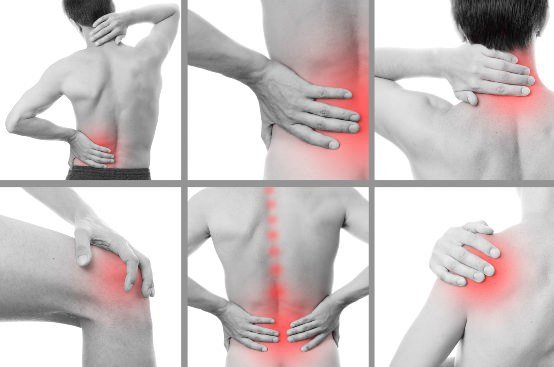
Musculoskeletal disorders are conditions that affect the muscles, bones, joints, ligaments, tendons, and nerves. These are the parts of your body that help you move, work, and stay active every day.
MSDs can develop suddenly due to an injury, or slowly over time because of aging, overuse, poor posture, or underlying medical conditions. They often cause pain, stiffness, swelling, weakness, or limited movement.
Common Examples of Musculoskeletal Disorders
-
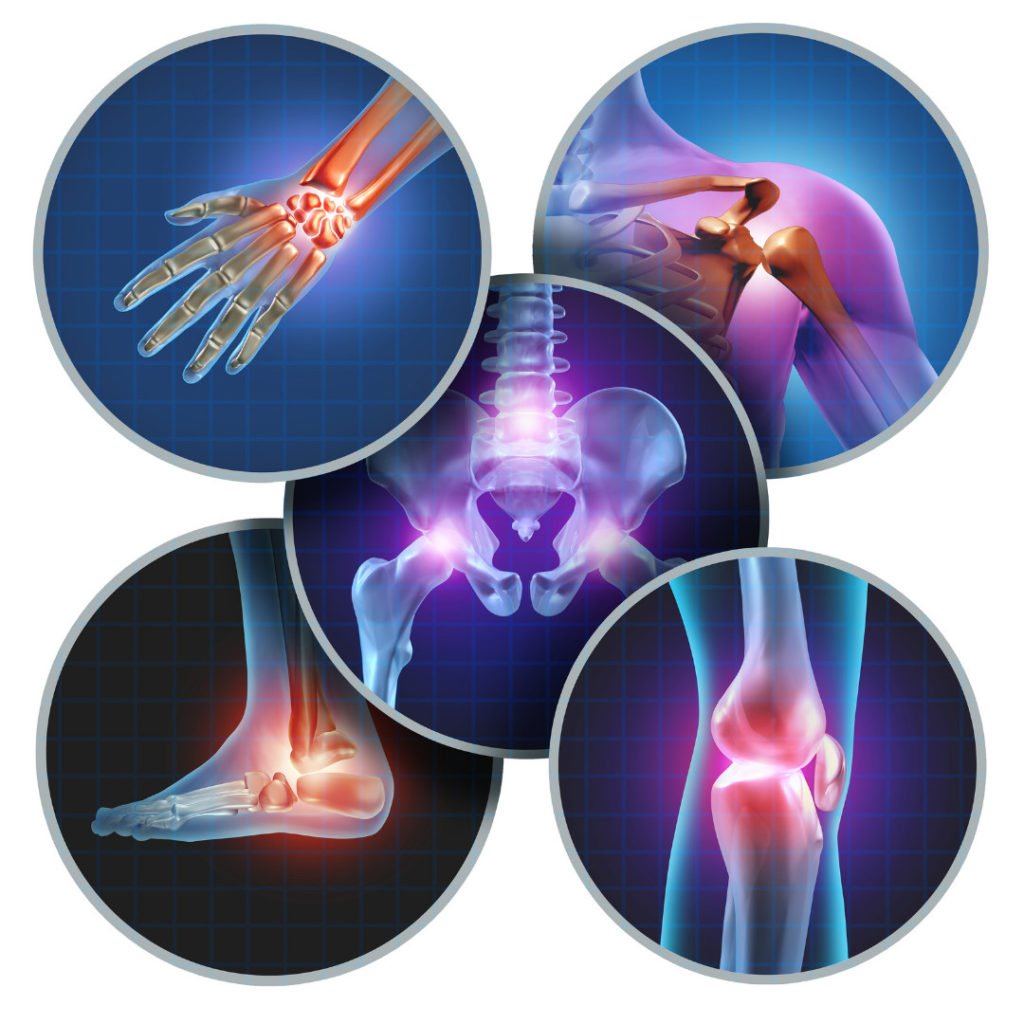
Arthritis (joint inflammation, such as osteoarthritis or rheumatoid arthritis)
-
Back and neck pain
-
Osteoporosis (weak and brittle bones)
-
Tendonitis or bursitis (inflammation of tendons or joint cushions)
-
Muscle strains and sprains
-
Work-related repetitive strain injuries (RSI)
Causes & Risk Factors
-
Aging and natural wear-and-tear
-
Injuries from sports, falls, or accidents
-
Repetitive movements or heavy physical work
-
Poor posture or lack of physical activity
-
Autoimmune diseases (like rheumatoid arthritis, lupus)
Treatment & Care
Most musculoskeletal disorders can be managed with the right treatment, such as:
-
Medicines to reduce pain and inflammation
-
Physiotherapy & exercise to improve strength and mobility
-
Lifestyle changes – good posture, regular activity, and a healthy diet
-
Advanced treatments like injections or surgery in severe cases
Hereditary Collagen Disorders
Hereditary Collagen Disorders
Hereditary collagen disorders are a group of conditions that occur when there are problems in the genes responsible for making collagen. Collagen is a protein found in skin, bones, joints, blood vessels, and many other tissues. It acts like the body’s “glue”, giving strength, flexibility, and support.
When collagen is made incorrectly due to genetic changes, it can cause tissues to become weak, fragile, or overly flexible. These conditions are usually inherited, meaning they run in families.
Common Types
-
Ehlers-Danlos Syndrome (EDS): Causes very flexible joints, stretchy skin, and fragile tissues.
-
Osteogenesis Imperfecta: Also known as “brittle bone disease,” leading to frequent fractures.
-
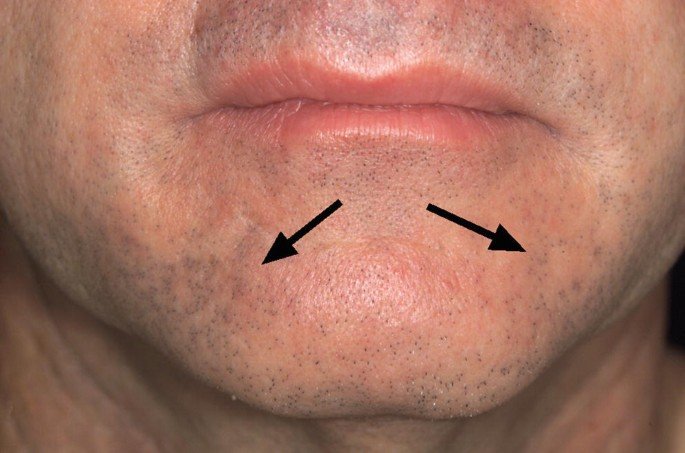
Stickler Syndrome: Affects joints, eyes, ears, and sometimes causes facial changes.
-
Alport Syndrome: Affects collagen in the kidneys, ears, and eyes.
Common Symptoms
-
Loose, overly flexible joints
-
Soft, stretchy, or fragile skin
-
Frequent joint pain or early arthritis
-
Bone weakness or repeated fractures
-
Problems in eyes, ears, blood vessels, or internal organs (depending on the type)
Treatment
There is no permanent cure, but treatment focuses on managing symptoms:
-
Physiotherapy and exercises to strengthen muscles
-
Pain management
-
Surgery in some severe cases (like joint stabilization or fracture repair)
-
Regular check-ups for heart, eye, or kidney involvement (in certain types)
Chronic Pain Disorders
Understanding Chronic Pain Disorders
Chronic pain disorders are conditions where pain lasts for a long time—usually more than 3 months—even after an injury or illness has healed. Unlike short-term pain (like a sprain or headache), chronic pain continues and can affect daily life, sleep, mood, and overall well-being.
Causes
Chronic pain may be due to:
Previous injuries or surgeries
Arthritis or joint problems
Nerve-related conditions (neuropathy, sciatica)
Autoimmune disorders (like rheumatoid arthritis, lupus)
Sometimes, the exact cause may not be found
Common Symptoms
Ongoing pain that may feel sharp, dull, burning, or throbbing
Stiffness and reduced mobility
Fatigue and disturbed sleep
Stress, anxiety, or low mood due to continuous discomfort
Management
Chronic pain disorders are managed with a holistic approach, which may include:
Medications (pain relievers, nerve pain medicines, anti-inflammatories)
Physical therapy & gentle exercises to maintain strength and flexibility
Lifestyle changes (healthy diet, stress reduction, good sleep routine)
Advanced treatments (injections, nerve blocks, or newer therapies) if required
Counseling or relaxation techniques to improve coping and mental well-being
Lifestyle Disorders
Lifestyle Disorders
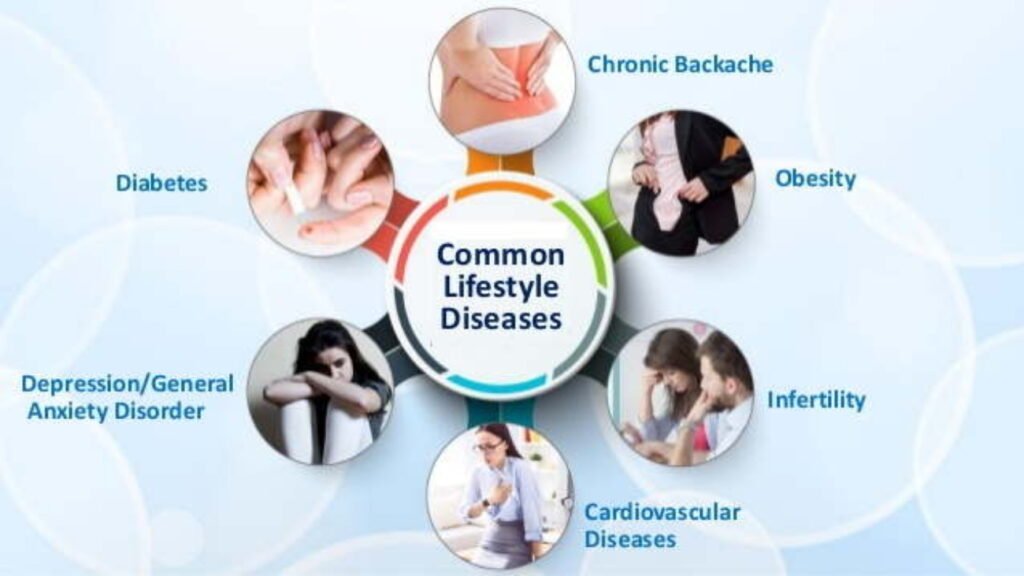
Lifestyle disorders are health problems that mainly develop because of unhealthy daily habits such as poor diet, lack of exercise, stress, smoking, alcohol, and irregular sleep. Unlike infections that happen suddenly, lifestyle disorders build up slowly over time and can affect many parts of the body.
Common Lifestyle Disorders
-
Diabetes (Type 2) – linked to unhealthy eating, obesity, and inactivity
-
Hypertension (High Blood Pressure) – often caused by stress, salt-rich diet, and lack of fitness
-
Heart Diseases – due to smoking, alcohol, junk food, and sedentary lifestyle
-
Obesity – imbalance between eating habits and physical activity
-
Stroke, Some Cancers & Hormonal Issues – can also be influenced by lifestyle choices
Why They Matter
These conditions may not cause symptoms in the early stages but can lead to serious long-term health problems if not managed on time.
Prevention & Management
The good news is that most lifestyle disorders can be prevented or controlled with simple, consistent changes such as:
-
Eating a balanced diet rich in fruits, vegetables, and whole grains
-
Doing regular exercise (at least 30 minutes a day)
-
Getting enough sleep and managing stress
-
Avoiding smoking, alcohol, and junk food
-
Going for regular health check-ups
Take the first step towards relief from joint pain and stiffness
Book your appointment with our Rheumatology specialist today for expert care and personalized treatment.