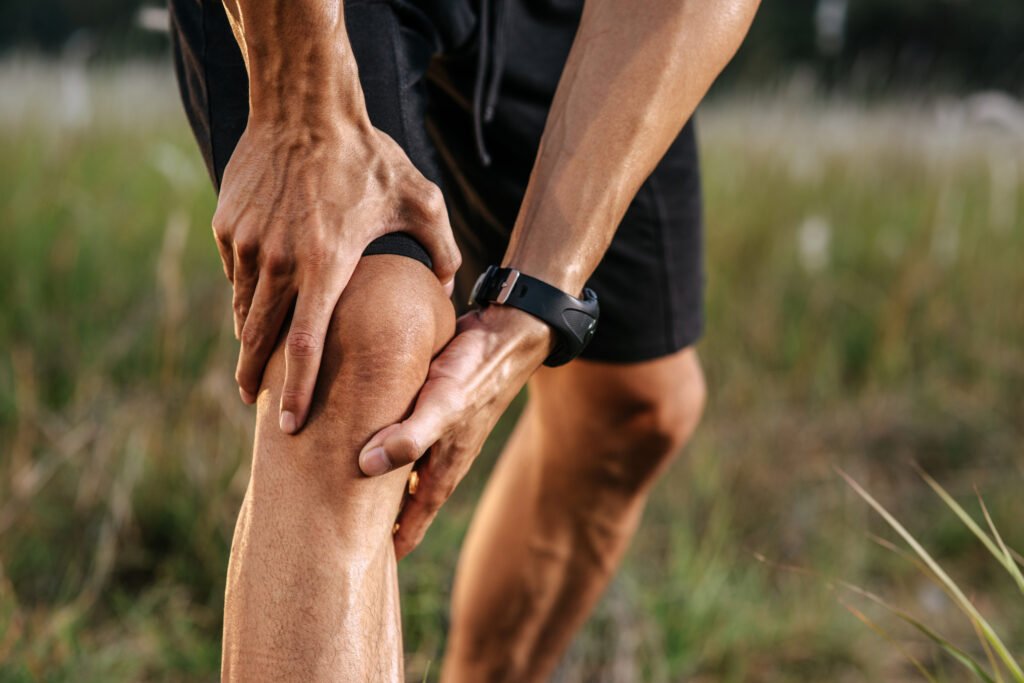
Common Symptoms
Causes & Risk Factors
Diagnosis
Treatment Options
There is no permanent cure, but treatment helps manage symptoms and slow progression:
 Non-Surgical Management
-
Lifestyle changes → weight management, exercise (low-impact like walking, swimming, cycling)
-
Physical therapy → improves strength & flexibility
-
Pain relief
-
Paracetamol / NSAIDs (e.g., ibuprofen)
-
Topical gels/creams
-
Heat or cold packs
-
-
Assistive devices → knee braces, canes, shoe inserts
 Medical Interventions
-
Corticosteroid injections → reduce inflammation
-
Hyaluronic acid injections → lubrication (sometimes used in knee OA)
 Surgical Options
-
Arthroscopy (cleaning joint – less common now)
-
Osteotomy (bone realignment)
-
Joint replacement (Arthroplasty) → hip or knee replacement for severe cases
 Prevention & Self-Care
-
Maintain healthy weight
-
Stay physically active (low-impact exercises)
-
Avoid joint overuse & injuries
-
Balanced diet (rich in calcium, vitamin D, omega-3s)
-
Use proper posture and body mechanics